
Polished Concrete vs Epoxy Flooring: Which is Right for You?
Understand the differences between polished concrete and epoxy flooring to choose the right solution for your requirements.
Polished concrete and epoxy flooring can both give a clean, finished look to an industrial or commercial floor, but they work in very different ways. One refines the concrete itself; the other covers it with a resin layer. Knowing that difference makes the choice much easier.
How each one works
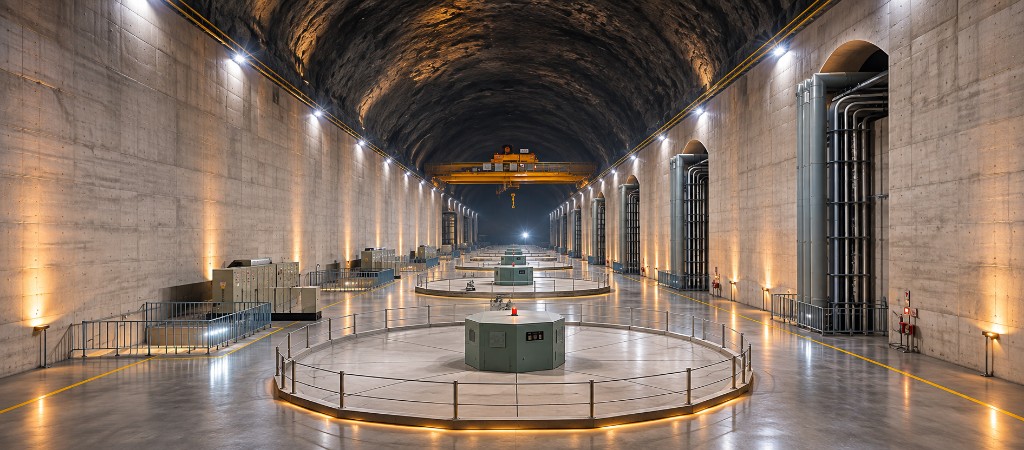
Polished concrete is made by grinding the slab surface with progressively finer abrasives, usually with a densifier applied along the way. The result is a hard, smooth, reflective concrete surface. Nothing is added on top that can peel.
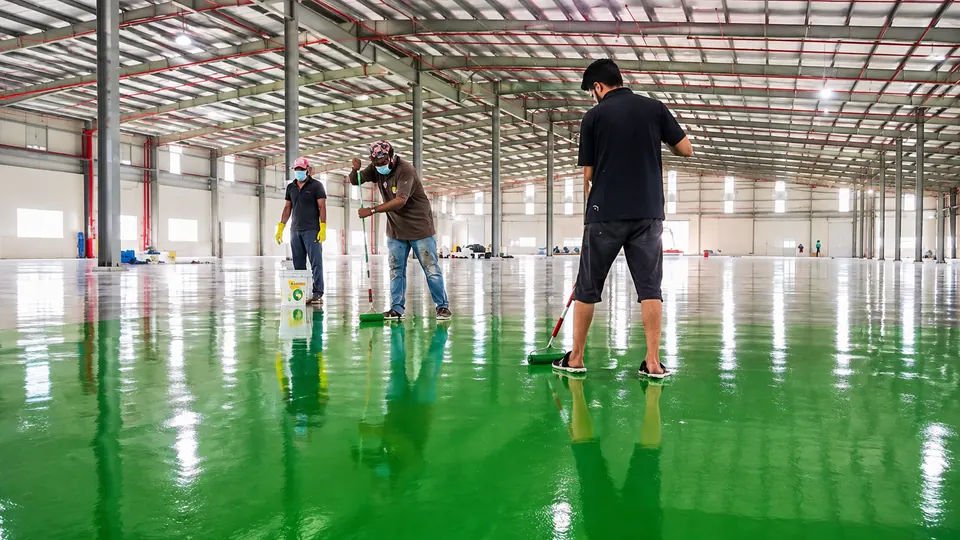
Epoxy flooring is a resin system applied to prepared concrete. It cures into a continuous coating that seals the surface and can be pigmented, textured, or built up to different thicknesses.
Comparing the two
- Durability: polished concrete has no coating to wear through or delaminate. Epoxy is durable too, but it can scratch, wear in heavy traffic lanes, or lift if the substrate was not prepared properly.
- Chemical and spill resistance: epoxy generally performs better where oils, acids, or process chemicals are spilled. Polished concrete is denser than bare concrete but remains concrete, so aggressive spills can still stain or etch it.
- Hygiene and cleaning: both are easy to clean. Seamless epoxy suits areas that are washed down often or have hygiene requirements.
- Appearance: polished concrete has a natural, stone-like look. Epoxy offers solid colours, line marking, and a uniform finish.
- Maintenance: polished concrete needs regular cleaning and occasional re-polishing. Epoxy needs cleaning and, over the years, recoating of worn areas.
- The existing slab: polishing depends on the quality of the concrete. Weak, heavily cracked, or patched slabs may suit a coating better.
Which should you choose?
Polished concrete is often a good fit for warehouses, showrooms, retail spaces, and offices where traffic is high and chemical exposure is low. Epoxy is usually preferred for production areas, workshops, food and pharmaceutical spaces, and anywhere spills or wash-downs are routine. Many facilities use both: polished concrete in storage and circulation areas, and epoxy in process zones.
ASVDF Flooring offers floor grinding and polishing as well as epoxy flooring. Tell us how each area of your building is used and we can help you decide.
- Polished Concrete
- Epoxy Flooring